Avoiding Burnout in New Year’s Goal Setting: Practical, Sustainable Strategies
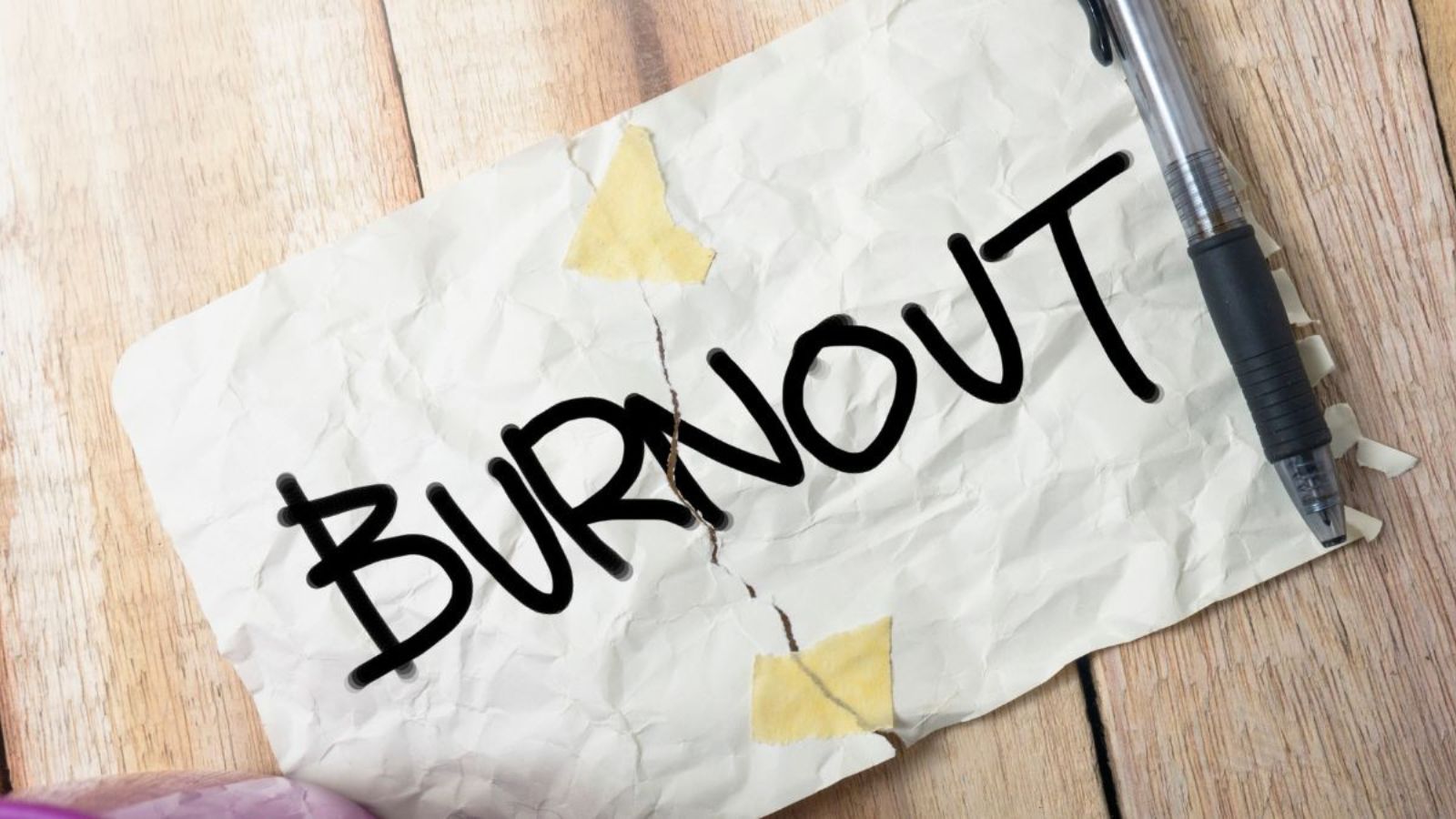
Avoiding burnout in New Year’s goal setting starts with recognizing that feeling motivated and worn out at the same time is common. Meaningful goals can still be achieved without exhaustion by aligning them with available time, energy, and priorities.
Choosing a few clear, realistic goals and building small, regular steps into a routine helps progress feel manageable rather than overwhelming. This guide explains how to recognize burnout signs, create goals that fit real life, and use practical strategies to protect energy while making steady gains.
Avoiding Burnout in New Year’s Goal Setting: Practical, Sustainable Strategies
Understanding Burnout and Goal Setting
Burnout has recognizable patterns, including how its signs appear in daily life and which goal-setting habits increase the risk. Understanding these patterns helps with choosing goals that align with current responsibilities and energy levels.
What Is Burnout?
Burnout is a state of physical and mental exhaustion caused by prolonged stress or overload. It often develops gradually when limits are pushed without adequate rest or recovery.
Burnout affects more than mood. Motivation drops, concentration weakens, and tasks feel heavier than they should. Goals may still matter, but starting or finishing them becomes difficult.
Burnout can be understood as a mismatch between demands and capacity. When goals ignore available time, sleep, or support systems, that mismatch grows and burnout risk increases.
Signs and Symptoms of Burnout
Emotional signs include constant fatigue, irritability, and feeling detached from work or personal goals. Numbness or cynicism may replace interest in activities that once felt meaningful.
Cognitive signs often appear as trouble concentrating, forgetfulness, and difficulty making decisions. Productivity may decline even when long hours are maintained.
Physical signs can include headaches, sleep disruption, or frequent illness. Behavioral changes may involve withdrawing from social connections, skipping enjoyable activities, or relying more heavily on caffeine or alcohol.
These patterns should be observed over weeks rather than isolated difficult days. When several symptoms persist together, they often signal a need to reduce demands and adjust goals.
Common Pitfalls When Setting New Year’s Goals
Overcommitment occurs when too many goals are set or when a single goal is too broad. Vague intentions such as “get healthier” provide little direction and can quickly drain motivation.
Current workload and emotional capacity are often overlooked. Starting major habit changes while already exhausted or supporting others increases the likelihood of burnout.
Self-worth may become tied to outcomes. When goals are treated as proof of value, missed steps can lead to shame and quitting rather than reassessment.
Rigid plans that allow no flexibility create stress when life changes. Goals that include adjustment points, rest, and alternative options are more sustainable over time.
Proven Strategies to Prevent Burnout During New Year’s Goal Setting
The most effective approaches emphasize clarity, flexibility, and recovery while keeping progress steady and realistic.
Establish Realistic and Achievable Goals
Limiting goals to one to three priorities that fit available time and energy helps maintain balance. Each goal should be broken into monthly and weekly actions. For example, instead of “get fit,” a clearer starting goal may be “walk 30 minutes, four times per week.”
Using the SMART framework—specific, measurable, attainable, relevant, and time-bound—adds structure and reduces uncertainty. Writing down the action, frequency, and review point helps keep expectations grounded.
Including check-in dates allows for adjustment. When a step feels overwhelming, reducing its scope supports momentum without increasing stress.
Prioritize Self-Care and Recovery
Sleep, meals, and at least one rest day per week should be treated as essential parts of a sustainable plan, not optional extras.
Short recovery practices can be added to daily routines, such as brief walks, breathing exercises, or screen-free time before bed. These habits help prevent stress from accumulating.
When fatigue increases, temporarily lowering intensity is often more effective than stopping entirely. Recovery supports consistency and long-term follow-through.
Maintain Flexibility in the Approach
Creating “short” and “full” versions of tasks allows progress to continue during busy or low-energy periods. This prevents missed days from turning into abandonment.
Setbacks should be expected rather than avoided. When routines are disrupted, adjusting timelines while maintaining the same intention supports continuity. Changing methods does not mean the goal has failed.
Monthly reviews provide space to reassess priorities, remove low-impact tasks, and identify when additional support may be helpful.
Track Progress Without Pressure
Simple tracking tools help prevent burnout in New Year’s goal setting by keeping focus on consistency rather than perfection. Checklists, habit apps, or brief weekly notes work well when only essential actions are tracked.
Effort should be measured alongside outcomes. Recording completed steps reinforces habit-building and reduces all-or-nothing thinking.
Small wins deserve acknowledgment. Missed days should be noted neutrally, with adjustments made based on what is learned rather than self-criticism.
Blue Sky Counseling – Couples Counseling Services Omaha, NE
I, Carly Spring, M.S., LIMHP, LADC, CPC, offer my specialized expertise to assist in the healing process to anyone who may be experiencing and suffering from a vast spectrum of mental health issues. Such mental health issues include behavioral problems, anxiety, depression, grief, loss, trauma, addiction issues, and life transitions. I believe strongly in applying a holistic perspective, addressing your whole person, not just the bits and pieces of you. Contact us with any questions or to talk with a mental health counselor in Omaha today.
