What Is Dialectical Behavior Therapy (DBT) and How Can It Help?
Many people seek counseling because they recognize a pattern they want to change but feel stuck repeating it.
They may understand why they become overwhelmed, why arguments escalate, or why certain situations trigger intense emotions. Yet, despite that awareness, they still find themselves reacting in ways they later regret.
This is where dialectical behavior therapy, commonly called DBT, can be helpful.
Rather than focusing only on thoughts or emotions, DBT teaches practical skills that help people navigate stressful situations, manage emotional responses, improve relationships, and develop healthier coping strategies.
The goal is not to eliminate difficult emotions. Instead, DBT helps people build the skills needed to respond more effectively when those emotions arise.
Understanding the Four Core Skills of DBT
A common misconception is that DBT focuses exclusively on emotional control.
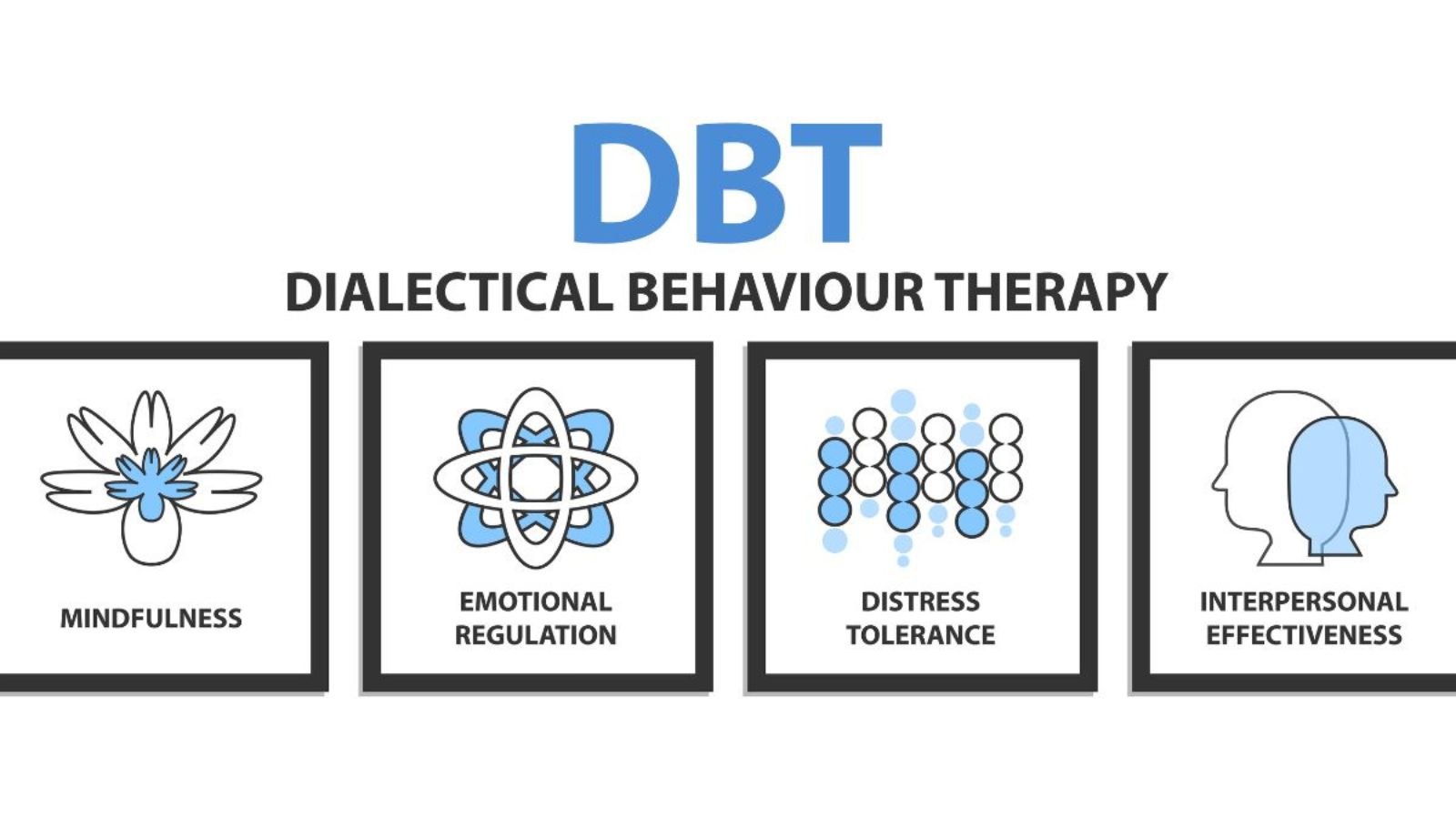
In reality, DBT addresses four different skill areas that work together to improve emotional awareness, coping, communication, and decision-making.
| DBT Skill | Primary Focus | Practical Purpose |
|---|---|---|
| Mindfulness | Awareness of thoughts and emotions | Recognize what’s happening before reacting |
| Distress Tolerance | Managing difficult situations | Navigate distress without making the situation worse |
| Emotion Regulation | Managing emotional responses | Recognize triggers and respond more effectively |
| Interpersonal Effectiveness | Communication and relationships | Set boundaries, communicate needs, and manage conflict |
These skills are designed to complement one another.
For example, someone experiencing an intense emotional reaction during a disagreement may first use distress tolerance skills to avoid acting impulsively. Once emotions become more manageable, interpersonal effectiveness skills can help guide the conversation toward a more productive outcome.
Acceptance and Change Work Together
One of the defining characteristics of DBT is its focus on balancing acceptance and change.
Many people assume that accepting an emotion means approving of it or resigning themselves to it. DBT approaches acceptance differently.
Acceptance means recognizing that an emotion exists without judging it or treating it as a personal failure.
At the same time, DBT encourages people to examine how their behaviors influence outcomes.
For example, someone may feel hurt after receiving criticism from a loved one. That emotional response may be completely understandable.
However, withdrawing from the relationship, sending multiple angry messages, or ending the conversation abruptly may create additional problems.
DBT encourages people to examine the entire sequence:
- Trigger → Thoughts → Emotions → Behaviors → Consequences
Looking at each step often reveals opportunities for change that may not be obvious during an emotionally charged moment.
DBT Helps Identify Patterns That Influence Emotional Reactions
Strong emotions rarely develop in isolation.
Many counseling sessions reveal that emotional reactions are influenced by several factors occurring at the same time.
A difficult interaction may feel like the obvious trigger, but other contributing factors often include:
- Poor sleep
- Increased stress
- Physical exhaustion
- Earlier conflicts
- Feeling rejected or misunderstood
- Major life changes
Identifying these patterns can help explain why certain situations feel much more overwhelming than expected.
For many people, recognizing these influences creates an opportunity to intervene earlier rather than waiting until emotions become unmanageable.
This is one reason DBT often focuses on recognizing early warning signs before emotional distress reaches its peak.
DBT Can Benefit More Than One Specific Diagnosis
Another common misconception is that DBT is used only to treat borderline personality disorder.
Although DBT was originally developed to help individuals experiencing severe emotional dysregulation, many of its principles are now incorporated into treatment for a much broader range of concerns.
DBT skills may be helpful for individuals experiencing:
- Anxiety
- Depression
- Relationship conflict
- Difficulty managing stress
- Impulsive behaviors
- Emotional instability
- Difficulty setting boundaries
- Challenges communicating effectively
- Trauma-related concerns
- Self-destructive behaviors
Having one or more of these concerns does not automatically mean comprehensive DBT is necessary.
Some therapists incorporate specific DBT techniques into traditional counseling sessions, while others recommend more structured DBT programs.
The appropriate approach depends on each person’s goals, challenges, and treatment needs.
DBT Skills Become More Effective Through Practice
Understanding a coping skill and applying it during a stressful situation are two very different experiences.
Someone may learn a communication strategy during a counseling session and feel completely confident using it. Later, during a difficult conversation, those same skills may suddenly become much harder to access.
This is completely normal.
DBT emphasizes practice because emotional situations rarely unfold exactly as expected.
Reviewing real-life experiences can help identify what worked, what didn’t, and where different strategies might be helpful in the future.
Over time, practicing these skills can make them easier to use during moments of emotional distress.
The focus isn’t simply on understanding emotions. It’s on developing practical tools that support healthier responses.
Counseling Can Help Determine Whether DBT Is the Right Approach
Not every counseling concern requires the same therapeutic approach.
Some individuals benefit from traditional talk therapy, while others may respond better to more structured, skills-based techniques such as DBT.
Working with a qualified mental health professional can help determine which approach best aligns with your goals.
The most important factor is finding a therapeutic approach that provides practical tools while creating an environment where growth feels achievable.
Frequently Asked Questions
Is DBT the same as cognitive behavioral therapy (CBT)?
No. Although both are evidence-based therapies, DBT places greater emphasis on balancing acceptance and change while teaching specific skills related to emotional regulation, mindfulness, distress tolerance, and relationships.
How long does DBT take to work?
Treatment timelines vary. Some people begin recognizing patterns within a few sessions, while others benefit from longer-term counseling and continued skills practice.
Can DBT help with anxiety?
Yes. DBT skills can help people manage emotional distress associated with anxiety. However, the most appropriate treatment approach depends on each person’s symptoms and goals.
Does DBT always include group therapy?
No. Some treatment programs include group sessions, while many therapists incorporate DBT skills into individual counseling.
What happens if a DBT skill doesn’t work?
Not every skill works in every situation. Counseling often involves reviewing what happened, identifying obstacles, and exploring alternative strategies that may be more effective in the future.
Blue Sky Counseling – Couples Counseling Services Omaha, NE
I, Carly Spring, M.S., LIMHP, LADC, CPC, offer my specialized expertise to assist in the healing process to anyone who may be experiencing and suffering from a vast spectrum of mental health issues. Such mental health issues include behavioral problems, anxiety, depression, grief, loss, trauma, addiction issues, and life transitions. I believe strongly in applying a holistic perspective, addressing your whole person, not just the bits and pieces of you. Contact us with any questions or to talk with a mental health counselor in Omaha today.
